Craft · 6 min read
The Life of Leather
A new leather object is unfinished. The tannery does half the work; your pockets, hands and weather do the rest.
Complimentary shipping on orders over $150
Craft · 6 min read
A new leather object is unfinished. The tannery does half the work; your pockets, hands and weather do the rest.
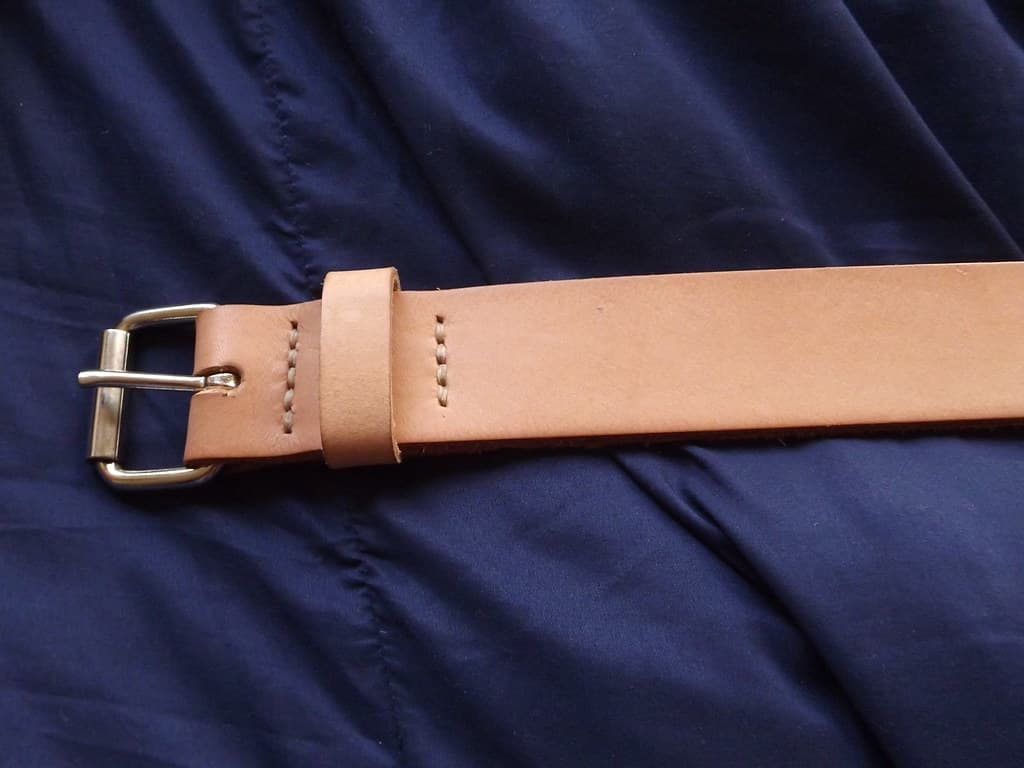
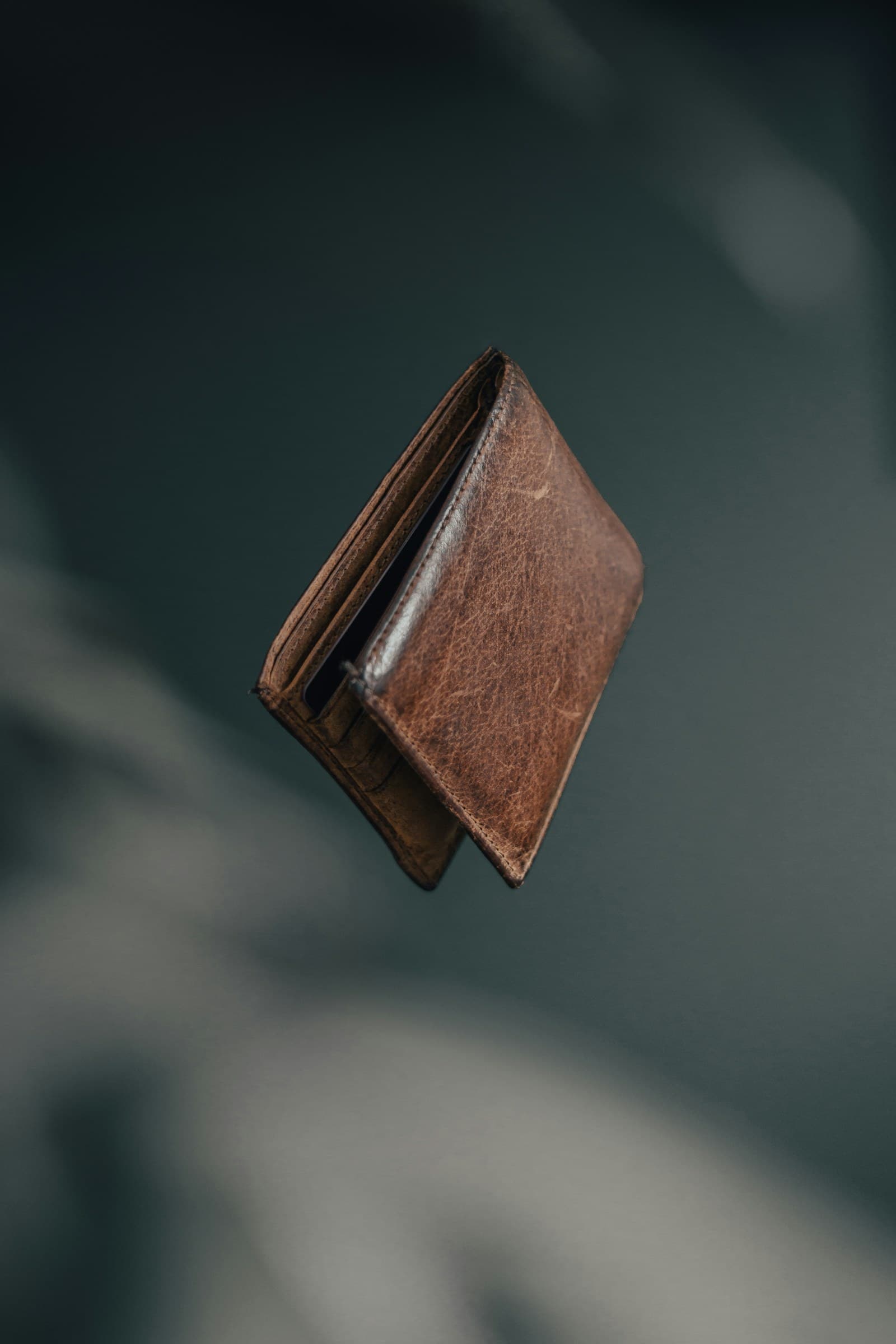
Vegetable-tanned leather is essentially skin preserved with tree bark, and it behaves like something alive. It darkens in sunlight, burnishes where it rubs, and absorbs the oils from your hands. Within months, two identical wallets carried by two different people look like distant relatives.
This is why we leave our leather uncoated. Most high-street leather is sprayed with pigment and sealed with plastic, which freezes it at day one. It looks perfect in the shop and tired within a year, because the surface cannot evolve, only wear through.
In the first weeks, edges darken and the surface takes on handling marks that look like flaws. They are not; they are the first entries in the record. By month three the colour has deepened a full shade. By year two the object has a sheen no factory finish can imitate, because it was made by ten thousand small frictions.
Patina is the material keeping a diary. Our job is to give it good paper.
Scratches deserve a note of their own. On coated leather a scratch is permanent damage. On vegetable-tanned leather, rub it with your thumb and watch it fade; the fibres re-burnish and the oils redistribute. The leather heals because nothing is sealing the wound shut.
None of this requires maintenance rituals. Carry the thing, use it hard, condition it when it looks thirsty. The patina takes care of itself. That is rather the point.