Design · 4 min read
Why We Design Things to Last
Nobody sets out to make a disposable object. Disposability is what is left when nobody designs against it.
Complimentary shipping on orders over $150
Design · 4 min read
Nobody sets out to make a disposable object. Disposability is what is left when nobody designs against it.

Every product has failure points, and they are almost always the same: glued joints, coated surfaces, unserviceable parts, fashion-driven shapes. Designing for longevity mostly means refusing those four things.
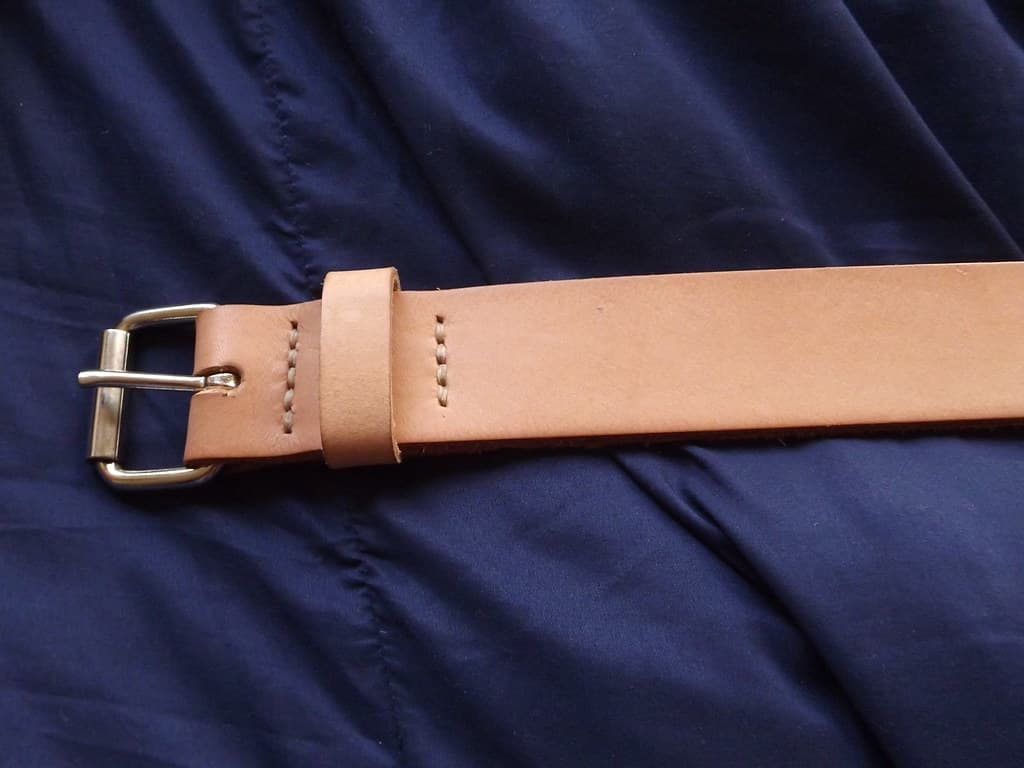
We stitch instead of glue where structure matters. We leave leather uncoated so it can be conditioned instead of replaced. Our watch straps use standard lug widths, our sunglasses use screwed hinges any optician can service. None of this is innovative. It is just unfashionable in an industry built on repeat sales.
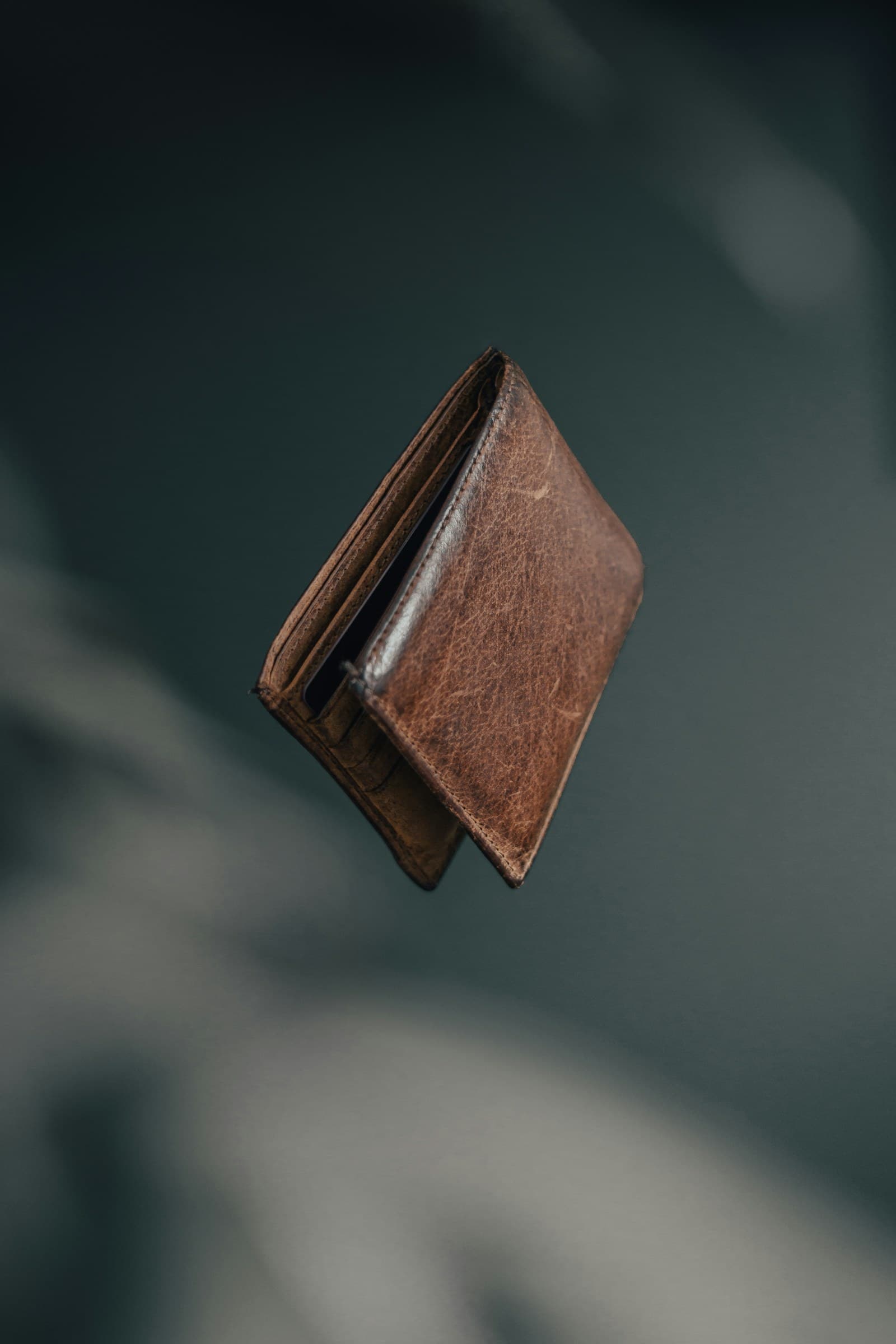
Physical durability is only half the problem. The other half is aesthetic: an object can survive a decade and still be abandoned because it looks dated. So we design conservatively on purpose. Round frames, plain dials, rectangular wallets. Shapes that were correct thirty years ago and will be correct in thirty more.
Less, but better. Fewer objects, kept longer, chosen more carefully.
This is also why we make so few things. Twelve objects, two categories. Each one earns its place by being the version of that thing we would keep ourselves, which, for the record, we do.